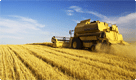
One of the big questions people have in the agriculture space is: with limited arable land and water, how do we resolve the growing demand for food? We need more crops! The answer is in technology, and seeds are a big part of that. The other part, but often overlooked, is actually in machinery. The John Deeres of this world, for example, have allowed farmers to be much more precise, much more efficient, and, I think, that has created big advantages in terms of yield. For example, with spacing down, i.e., seeds planted closer together, you also get bigger yields.
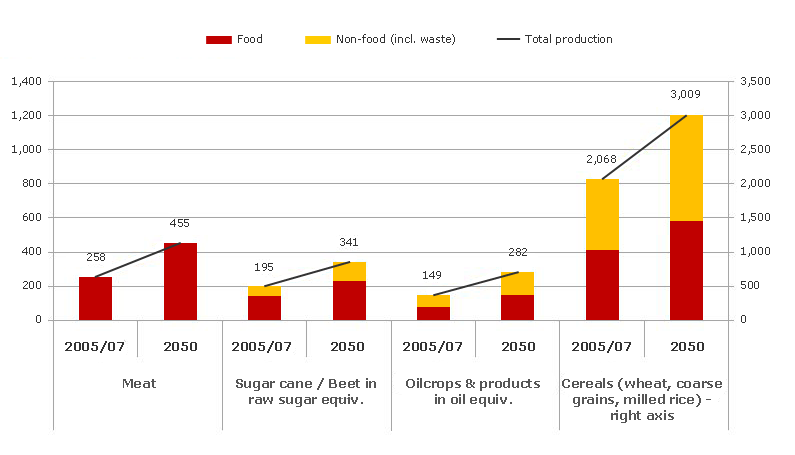
World production and use, major products (million tonnes)
Key variables beyond 2050
| 2005/2007 | 2050 | 2080 | 2100 | |
|---|---|---|---|---|
| Population (million)- UN 2008 Revision | 6,592 | 9,150 | 9,414 | 9,202 |
| Population (million)- UN 2010 Revision | 6,584 | 9,306 | 9,969 | 10,125 |
| kcal/person/day | 2,772 | 3,070 | 3,200 | |
| Cereals, food (kg/capita) | 158 | 160 | 161 | |
| Cereals, all uses (kg/capita) | 314 | 330 | 339 | |
| Meat, food (kg/capita) | 38.7 | 49.4 | 55.4 | |
| Oilcrops (oil. equiv.), Food (kg/cap) | 12.1 | 16.2 | 16.9 | |
| Oilcrops (oil. equiv.), all uses (kg/cap) | 21.9 | 30.5 | 33.8 | |
| Cereals, production (million tonnes) | 2,068 | 3,009 | 3,182 | |
| Meat, production (million tonnes) | 258 | 455 | 524 | |
| Cereal yields (tonnes/ha; rice paddy) | 3.32 | 4.30 | 4.83 | |
| Arable land area (million ha) | 1,592 | 1,661 | 1,630 |
Source:
Agricultural Development Economics Division
Food and Agriculture Organization of the United Nations
World agriculture towards 2030/2050: the 2012 revision
ESA Working Paper No. 12-03, June 2012
Get the latest news & insights from MarketVector
Get the newsletterRelated:
Most popular
-
 Commentary
Goal! Small Country, Big Impact
-
 Commentary
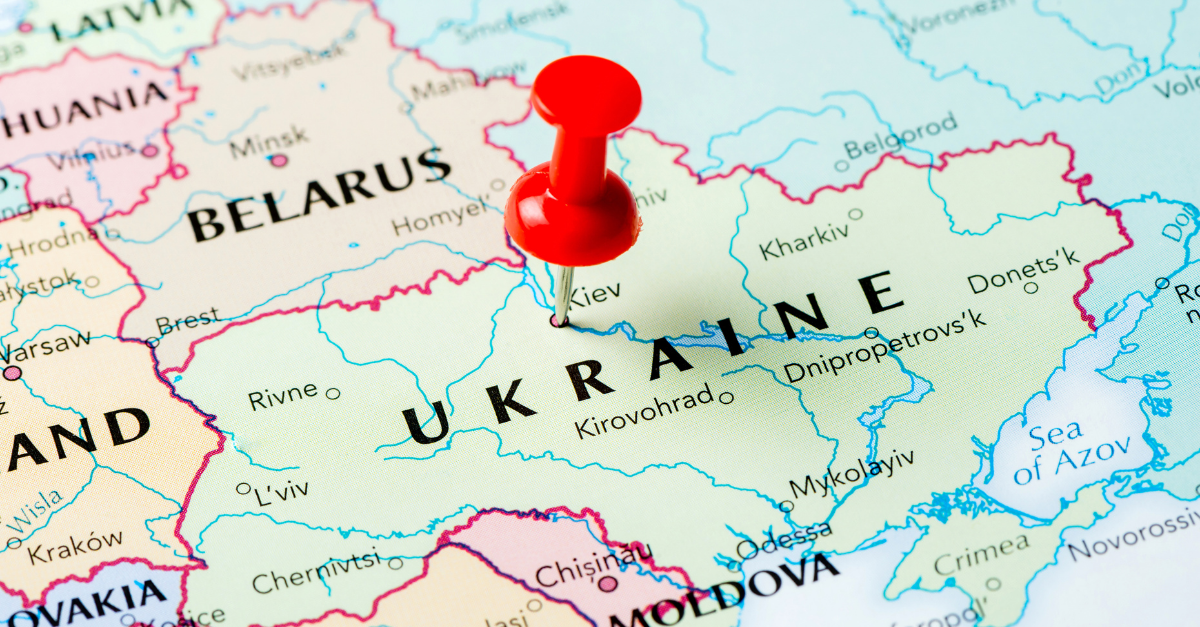
Hidden GEMs: Ukraine