According to the World Bank, the world generates 2.24 billion tonnes of solid waste per year (as of 2020). With rapid population growth and urbanization, annual waste generation is expected to increase by 73% from 2020 levels to 3.88 billion tonnes in 2050. This is far more than we can process or recycle and contributes to both pollution and greenhouse gas emissions leading to ocean plastic pollution and geopolitical tensions as Western countries search for new places to stash their trash.
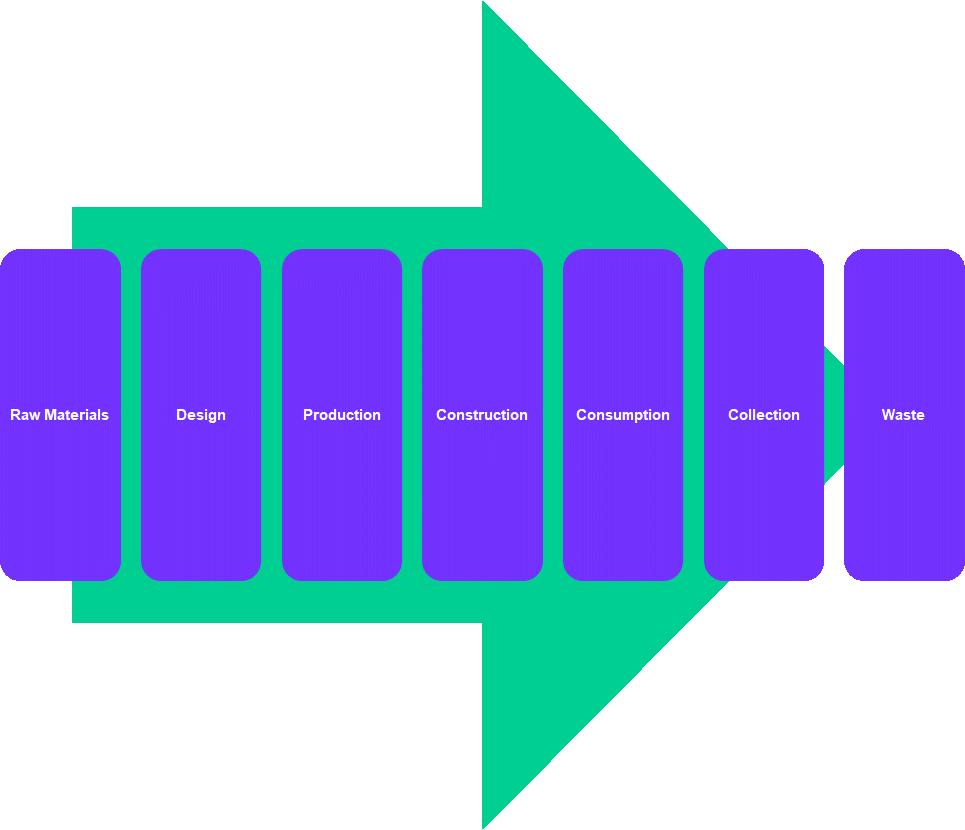
How did we get here? Historically, the global economy is designed for linearity: harvest, produce, use, dispose. To meet the United Nations Sustainable Development Goals on Responsible Consumption & Production and Clean Water & Sanitation (SDG 12), the global economy must transition to a circular economy by finding opportunities to reinvent consumption and production models through the prioritization of the reduction or elimination of waste and pollution by keeping products and materials in use for longer and regenerating natural systems or resources.
Linear Economy
Circular Economy
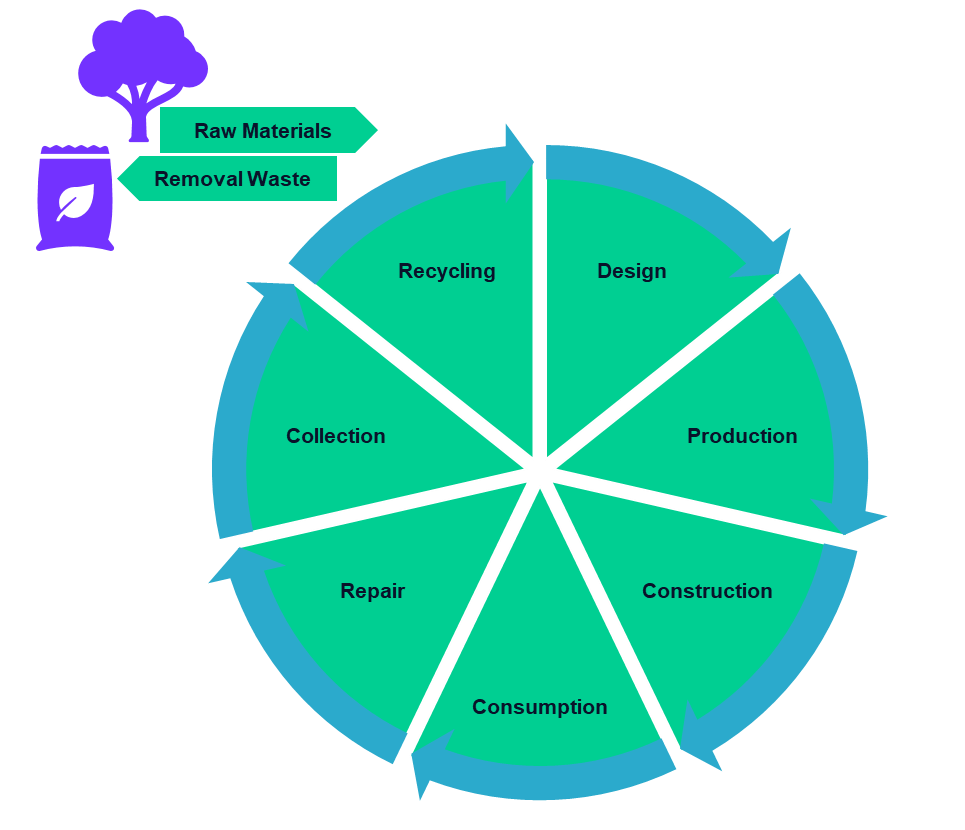
The MVIS® Global Circular Economy ESG Index (ticker: MVCIRC) follows the EU SFDR principle of “Do No Significant Harm” (DNSH) and targets sustainable objectives mapped to the United Nations Sustainable Development Goals on Responsible Consumption & Production and Clean Water & Sanitation, to align with European regulations for ESG requirements.
For more information on the Circular Economy, read “Introducing The MarketVector Global Circular Economy ESG Index”.
For more information on our family of indexes, visit: www.marketvector.com
Get the latest news & insights from MarketVector
Get the newsletterRelated:
Most popular
-
 Commentary
Goal! Small Country, Big Impact
-
 Commentary
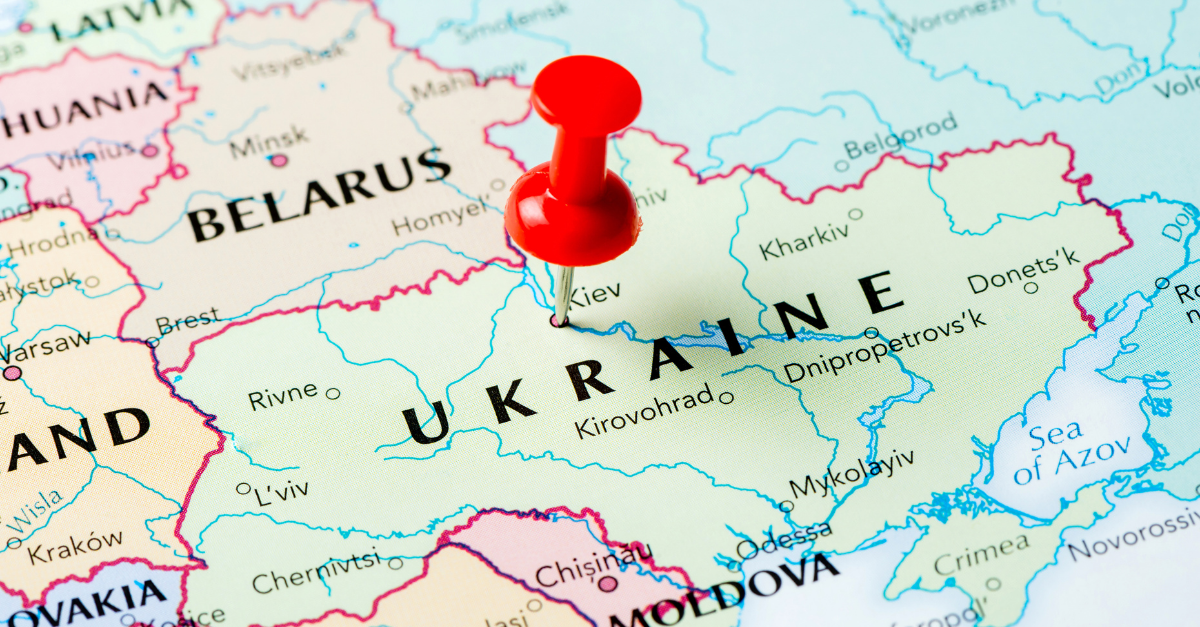
Hidden GEMs: Ukraine