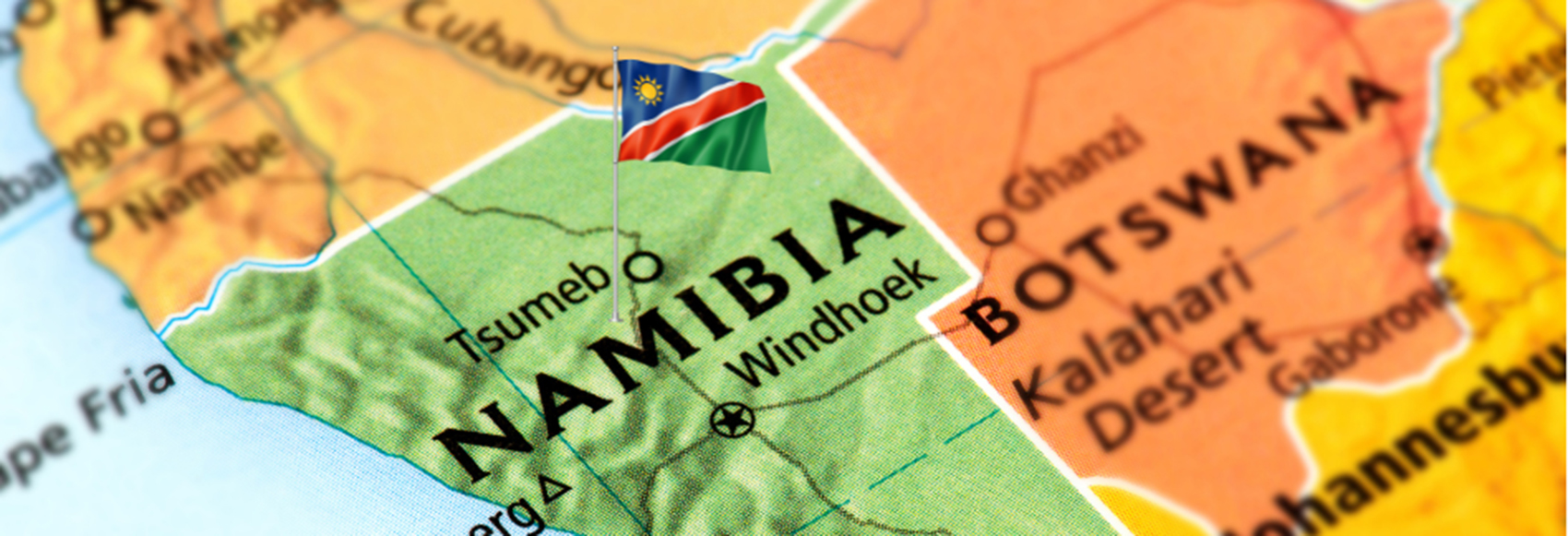
Nestled in Southern Africa, Namibia gained independence from South Africa in 1990 and now boasts a population of approximately 3 million. Despite its relatively small economy, Namibia’s unique economic landscape is driven by mining, tourism, and agriculture. Ranked 96th in The Heritage Foundation’s 2024 Index of Economic Freedom1, Namibia offers intriguing opportunities for investors willing to look beyond traditional indicators.
The Namibian Stock Exchange (NSX) and Its Landscape
The Namibian Stock Exchange (NSX) is one of Africa's largest by market capitalization, exceeding USD 140 billion1. However, only about USD 2 billion of this valuation pertains to local companies. The majority of the exchange's market cap stems from secondary listings of foreign companies, especially South African firms like FirstRand Ltd. and Standard Bank Group Ltd., along with mining companies such as Anglo American PLC, B2Gold Corp., and Paladin Energy Ltd.
MarketVector's Approach to Inclusion
MarketVector’s approach includes Namibian equities in the MarketVectorTM Total Global Equity Index (MVTGLE). Out of 40 listings on the NSX, only 15 are considered localwhile the rest are attributed to their respective home countries.
Current Components of MVTGLE
The MVTGLE presently includes two prominent Namibian components: FirstRand Namibia Ltd. and SBN Holdings Ltd. Both are majority-owned by South African parents (FirstRand and Standard Bank Group, respectively), ensuring they bring substantial presence and liquidity to the index.
Exhibit: 5-Years chart of FRN and SBN in ZAR

Source: Namibia stock exchange.
Source1: As of September 1, 2024. A lower rank number is considered better.
These considerations help enhance the MarketVectorTM Total Global Equity Index (MVTGLE) while underscoring Namibia's particular investment opportunities.
Get the latest news & insights from MarketVector
Get the newsletterRelated:
Most popular
-
 Commentary
Goal! Small Country, Big Impact
-
 Commentary
Hidden GEMs: Ukraine